About

An independent peer network for the people who own AI outcomes.


The Association convenes senior leaders who are accountable for making AI work inside traditional, non-tech companies. It is invite-only, founder-led, and deliberately small. This page is the long version: what we are, who runs it, how we stay independent, and how the rooms work.

What it is

What the Association is, and why now.

We are one half of a two-part structure. The Institute of Applied Artificial Intelligence is the proof engine: it publishes research and case studies on how established companies put AI into production. The Association is the demand engine: it brings together the executives who own that work, so they can compare notes with people in the same seat. The Institute earns attention by being useful; the Association turns that into a room worth being in. Neither sells anything.

We will say the obvious thing out loud: the room is still forming. There are no members yet, and we are not going to pretend otherwise. We are choosing the first cohort rather than chasing a number, which is why this is invite-only and why founding members help shape what the first rooms become. It is new, it is honest about being new, and that is the point.

It is for senior decision-makers, whatever the title, who are accountable for AI results inside an established company in a traditional industry: insurance, banking, manufacturing, logistics, retail, healthcare, legal, back-office operations. The hard parts there are legacy systems, regulation, risk, change management, and proving the return. That is the lane. It is not for vendors, consultants, analysts, or anyone whose business is selling or advising on AI.

Who's behind it

Run by two brothers, in the open.

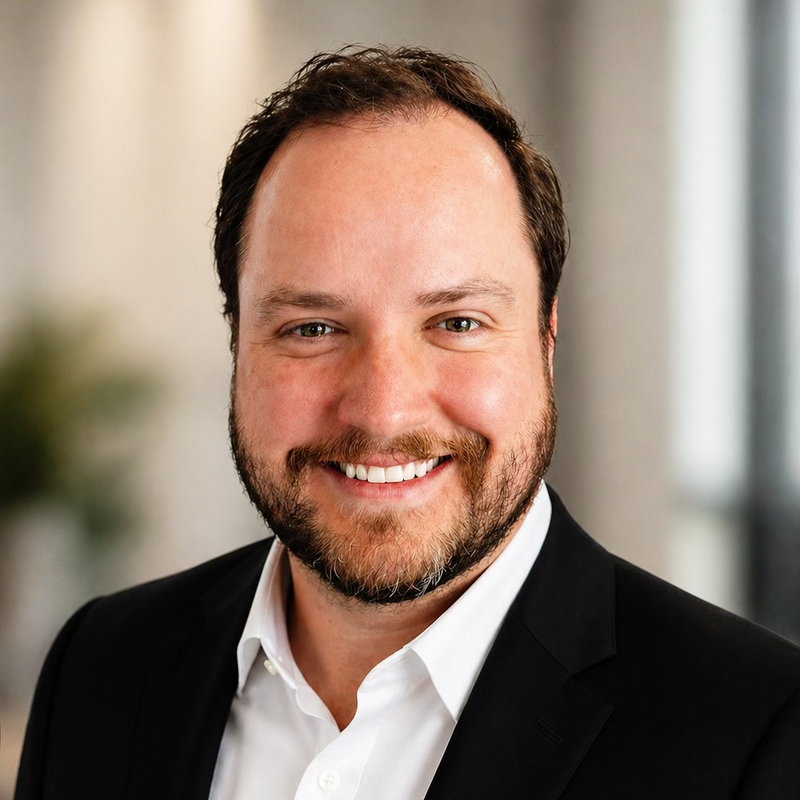
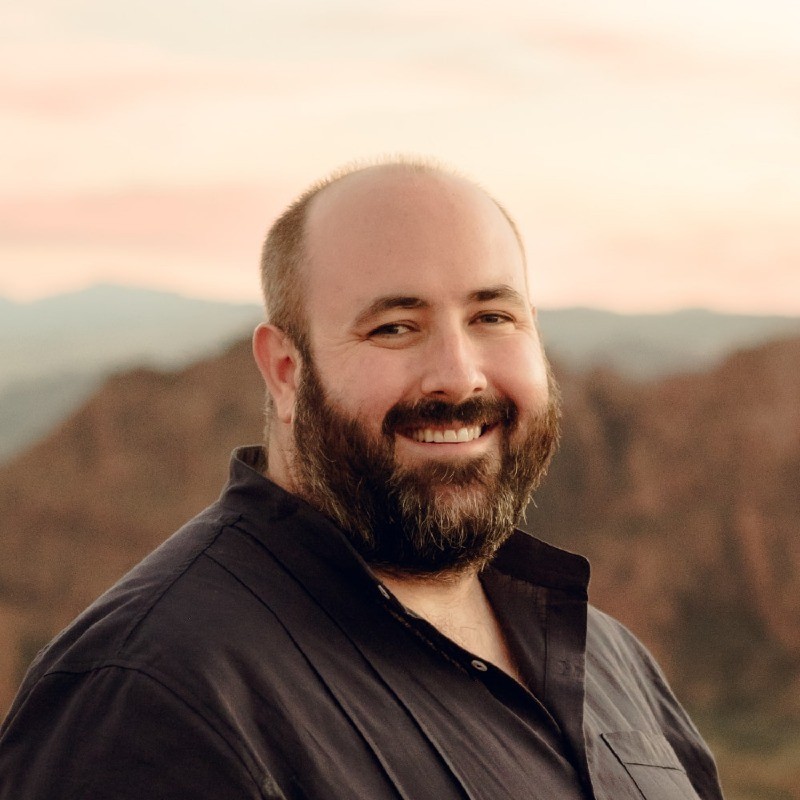
We are Nick and Isaac Major. We started the Institute, we run the Association, and we facilitate every room ourselves. We are transparent about that on purpose. A founder-run network that hides who is behind it reads as marketing; we would rather you judge us by our names and our public work.

Nick Major

Nick Major

Co-founder

Nick is a senior product engineer with more than eleven years building web products, across product, data, and infrastructure. His work is turning complex, data-heavy material into things people can actually use, which is the same job the Institute does with AI research. He builds on a modern stack (TypeScript, React, Astro, serverless AWS) and spent four years teaching web development at Le Wagon. He runs the Institute of Applied Artificial Intelligence, where he researches what holds up when traditional companies put AI into production. Based in Lisbon.

Isaac Major

Isaac Major

Co-founder

Isaac is an enterprise growth and customer-experience leader. For more than eight years he has led sales and operations across customer experience, business-process outsourcing, and financial services, the kind of regulated, traditional, large-scale companies this network is built for. His focus is how big organizations adopt AI in their operations and make it pay off, and he writes regularly on what market shifts mean for the leaders who have to act on them. Based in Salt Lake City.

What we bring is the convening and the research, not a claim to be the most senior operator in your industry. The people in the room are.

Independence

Independence, in full.

Almost every group that convenes AI executives is paid for by selling something. A consultancy wants the engagement, a vendor wants the platform deal, an event firm wants the sponsor money. That funding shapes the room, usually toward whoever is paying. The Association is built the other way: vendor-free, consultancy-free, and sponsor-free, by published rule.

The founders also run a separate consulting practice. We would rather you know that, and know how it is kept apart, than have you wonder. The two are held strictly separate. Reputation is the only thing that crosses between them: someone sits in a room, comes to trust how we work, looks us up, and reaches out on their own. The credibility pulls; nothing here pushes. No member is ever pitched or solicited, and the practice is never named or sold inside the Association.

The rules we hold ourselves to:

  • No vendor, consultancy, or sponsor pays for a seat or sits in the room. There is no seat to buy.
  • We never pitch you. No member is solicited for the consulting work, in the room or after it.
  • What you tell us stays with the Association. It does not go to the consulting practice, or anywhere else.
  • Membership is free for the founding cohort, and nothing is sold inside it.
  • If we ever break this, call it out and walk.

We are presented as a founder-led initiative, not a nonprofit. A nonprofit that visibly benefits the founders' own business would read as a front, and it would not be honest. Judge us by behavior. As long as we never sell, never solicit, and never bend the output, the independence is real.

How the rooms work

Confidentiality and how a room is built.

  • 01

    The Chatham House Rule

    Everything said in a roundtable can be used; nothing is attributed. People speak freely because no quote, name, or company leaves the room. We never publish the attendee list.

  • 02

    The bar, and all three are required

    A senior role accountable for AI, named direct accountability for the outcomes (you own the results, you don't sell or advise on AI), and a traditional, non-tech enterprise. The middle one is the gate that matters.

  • 03

    How a room is composed

    We match on the problem first, then same or adjacent industry (never two direct competitors), then comparable company scale and AI maturity. The aim is a table where people actually share a situation.

  • 04

    What leaves the room

    Only anonymized, aggregated patterns. Anything that informs a quarterly briefing is stripped of who said it and rolled up with everyone else first. The benchmark is built from numbers, not names.

Roundtables are quarterly and virtual-first, eight to twelve people invited, the two of us facilitating. Quarterly is a pace two part-time founders can hold without filler, and it lines up with the written briefing that follows each round.

The wider structure

A sister organization of the Institute.

The Association is the sister organization of the Institute of Applied Artificial Intelligence, run by the same two of us. The Institute does the public work: field notes, research, and case studies on how traditional companies actually put AI to work. The Association is the private counterpart, where the executives who own that work meet each other. The two pull different weight on purpose. One is one-to-many and public; the other is one-to-few and confidential. The Institute is open to read, so the simplest way to judge whether we are worth your time is to go read it.

Association for Executive AI Leadership EAIL

If this is your seat, ask for an invitation.

We read every request ourselves and reply within a week. If it is a fit, that note will include a time to talk.